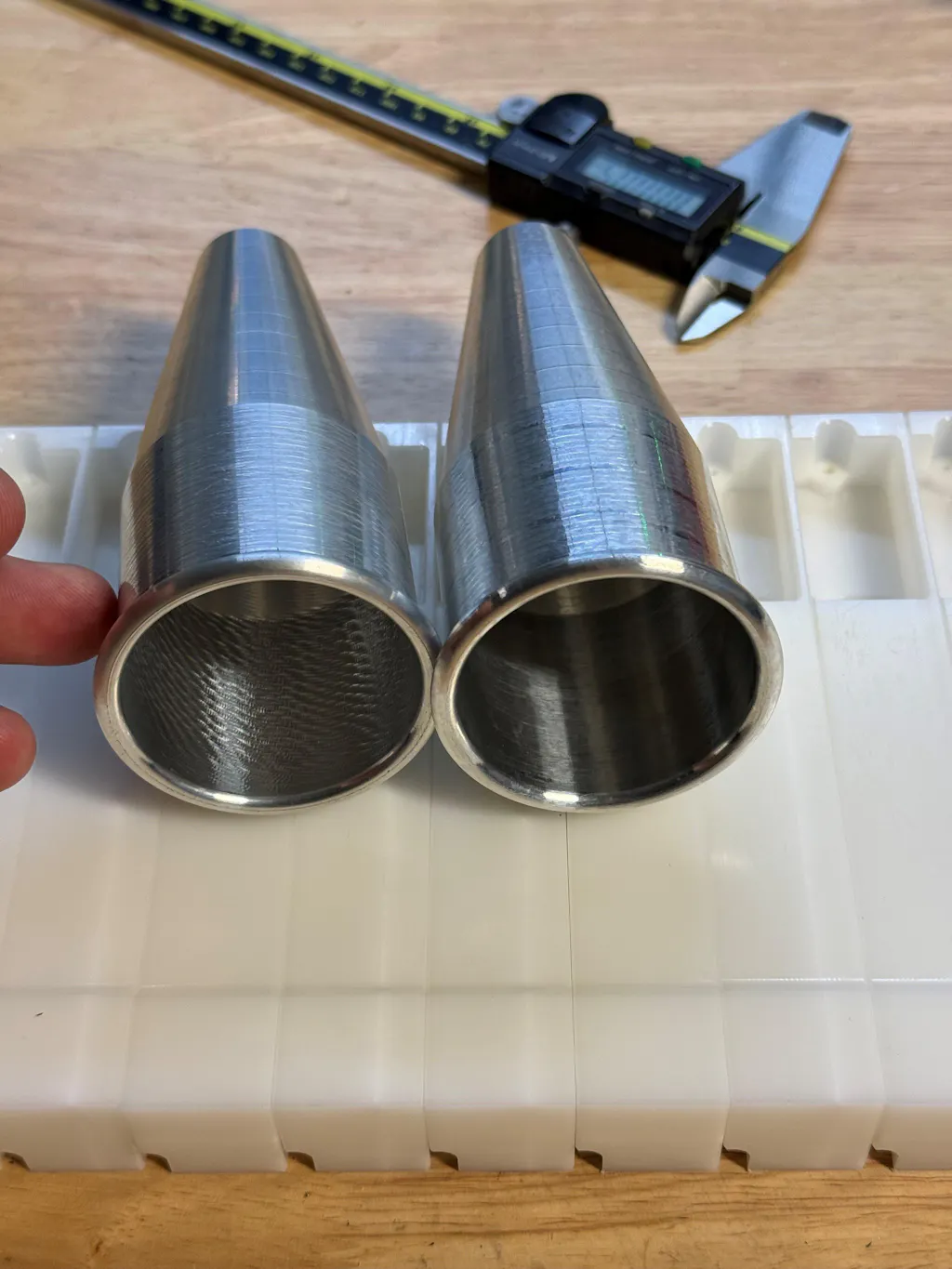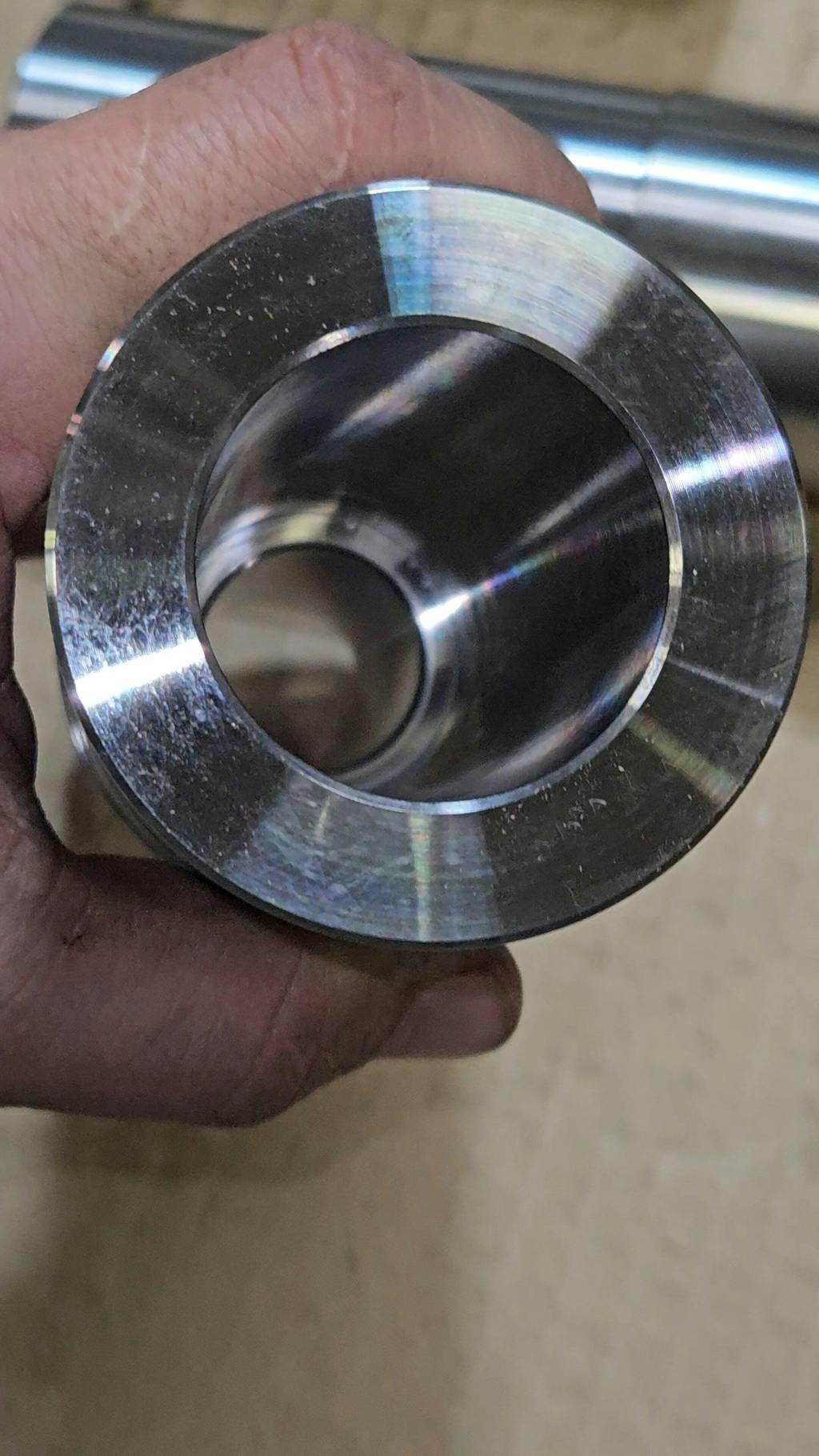





There are many ways to align the head on your Bridgeport style Mills with the table, this is my preferred method.
Having proper alignment is critical to many operations, such as, boring, drilling, reaming, facemilling, and sidemilling. If the head or column of a Mill is not square with the table, a taper will be machined into the part. We have all experienced a step in the face of a part we are trying to surface, or a part that measures different at the top compared to the bottom. Starting with a square foundation goes a long way toward making good parts. Bridgeport's are extremely versatile machines, the number of articulating joints is fantastic, but these degrees of freedom come at a cost. Tilt, pivot, or reposition your head and prepare for a lesson in tramming.
The level of alignment needed varies from part to part, perhaps simply using a square held to the quill is sufficient for your needs. The same process can be used for Vertical Machining Centers, with the exception that leveling feet do the adjusting. (Unless the column is terribly out of square)